In Spain, New Year’s Eve (Nochevieja, literally “the old night”) ends in a race against the clock. As midnight strikes, the whole country tries to eat twelve grapes in time with twelve chimes, one per stroke, cheeks full and eyes watering with laughter. If you are spending 31 December 2026 on the Costa del Sol, here is what the traditions mean, how to keep up with the grapes and where to celebrate them in Marbella.
The twelve grapes: one for each chime
The custom is called las doce uvas de la suerte, the twelve lucky grapes. At midnight you eat one grape on each of the twelve chimes; finish them all by the last stroke and, the saying goes, each grape brings a month of good luck in the year ahead. The chimes that set the pace come from the clock of the Real Casa de Correos in Madrid’s Puerta del Sol and are broadcast live on national television, so the whole of Spain eats in sync: at home, in restaurants and in town squares.
Where does the tradition come from?
Madrid newspapers already mention grapes at midnight in the 1880s, when well-to-do families copied the French habit of welcoming the year with Champagne and grapes, and groups of madrileños went to Puerta del Sol to eat their own, half in jest. The custom took hold across Spain in the early twentieth century; the most repeated story credits growers in Alicante with popularising it after an unusually large harvest around 1909. Today many families still choose the late-harvest white grapes of Alicante’s Vinalopó valley, which ripen inside paper bags on the vine.
How to eat twelve grapes without falling behind
- Choose small, seedless grapes, or buy the peeled, seedless packs of twelve that Spanish supermarkets sell in December.
- Count them out before midnight so you are not fumbling when the clock starts.
- Don’t start on the cuartos. Before the twelve chimes, the Puerta del Sol clock plays the cuartos, a set of quicker quarter chimes. Wait for the slower strokes that follow.
- One grape per chime, about three seconds each. Chew fast and swallow later: nobody minds a full mouth at 00:00.
- Toast when you finish, with cava or Champagne, as soon as the twelfth grape is down.
More New Year’s Eve rituals Spaniards swear by
- Red underwear. Wearing something red, traditionally underwear and ideally received as a gift, is said to bring luck in love for the coming year.
- Gold in the glass. Drop a gold ring or earring into your glass of cava for the midnight toast, then drink it down for prosperity.
- Right foot first. Step into the new year on your right foot: entrar con buen pie.
- Cotillón. The party pack of hats, masks, streamers, confetti and noisemakers handed out after the grapes; the word also names the party that follows.
- Chocolate con churros. After a long night out, many Spaniards greet 1 January with hot chocolate and churros at dawn.
How Spain’s New Year’s Eve differs from the rest of the world
Where London and New York count down from ten, and New Yorkers watch a ball drop in Times Square, Spain waits for twelve chimes and eats. The grapes have travelled: across Latin America, from Mexico to Peru, many families also eat twelve grapes at midnight, often making a wish with each one. Italians share the lucky red underwear and eat lentils for prosperity, and the French welcome the year with Champagne at a long réveillon dinner. In Spain dinner comes first, often with family, and the party starts after the grapes, which is why so many celebrations run until breakfast.
Grapes at home or at the restaurant?
Most Spaniards eat the grapes at home in front of the television and then go out. Restaurants that serve a New Year’s Eve dinner usually hand the grapes out at the table along with the cotillón, so the whole room eats together. For visitors it is the easiest way to do it: no hunting for grapes on 31 December, no worrying about the timing, and the party is already there.
Nochevieja in Marbella
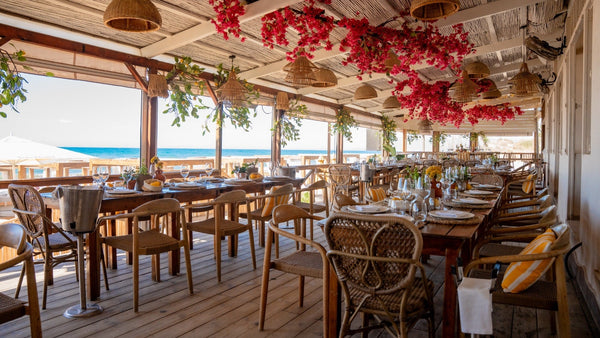
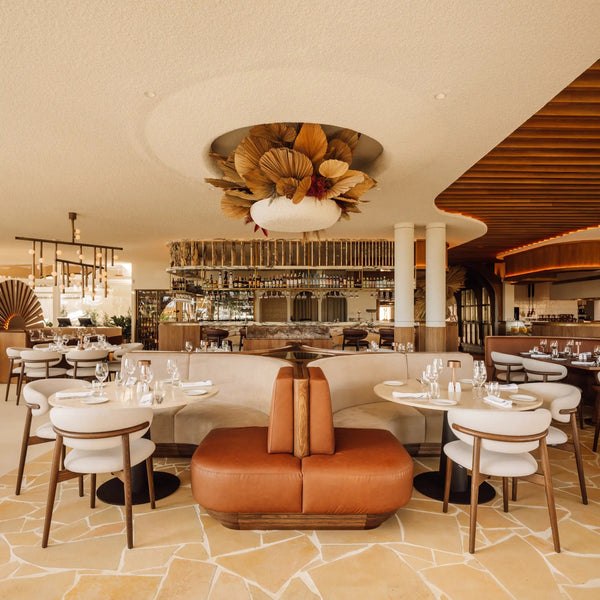
Marbella celebrates the way the rest of Spain does, with sea views and a winter sun that makes the next morning easy. The evening revolves around a long dinner, the grapes at midnight and a party that goes on late. If you would rather someone else handled the grapes, the Casanis Group restaurants include them in their New Year’s Eve menus:
- Nota Blu New Brasserie, Golden Mile: gala dinner with lobster, caviar and wagyu, half a bottle of Ruinart per guest, the twelve grapes, cotillón and live music. 625€ per person.
- Casanis Bistrot, Old Town: French bistro dinner with caviar and lobster nage, half a bottle of Champagne per guest, the grapes and cotillón. 275€ per person.
- Nota Blu Madrid, if you are celebrating in the capital: the same gala menu for 400€ per person.
Compare the menus in our New Year’s Eve dinner guide or see them all on the New Year’s Eve menus 2026 page.
Useful Spanish for the night
- ¡Feliz Año Nuevo!: Happy New Year!
- Las campanadas: the midnight chimes.
- ¿Tienes las uvas?: have you got your grapes?
- ¡Salud!: cheers!
- Año Nuevo: New Year’s Day, 1 January, a public holiday in Spain.
Frequently asked questions
Why do Spaniards eat twelve grapes on New Year’s Eve?
One grape is eaten on each of the twelve midnight chimes; each is said to bring a month of good luck. The custom became popular across Spain in the early twentieth century.
When exactly do you start eating the grapes?
On the first of the twelve slow midnight chimes, after the quicker quarter chimes known as the cuartos. There are about three seconds between chimes.
What does cotillón mean?
The New Year’s Eve party pack of hats, masks, streamers, confetti and noisemakers handed out after the grapes; the word is also used for the party itself.
Why wear red underwear on New Year’s Eve?
In Spain, wearing something red on 31 December, traditionally underwear, is said to bring luck in love for the coming year.
Where can I celebrate New Year’s Eve with the grapes in Marbella?
Nota Blu on the Golden Mile (625€ per person, with live music) and Casanis Bistrot in the Old Town (275€) both include the twelve grapes and cotillón in their New Year’s Eve menus. The Vault Marbella Club books both by WhatsApp.